
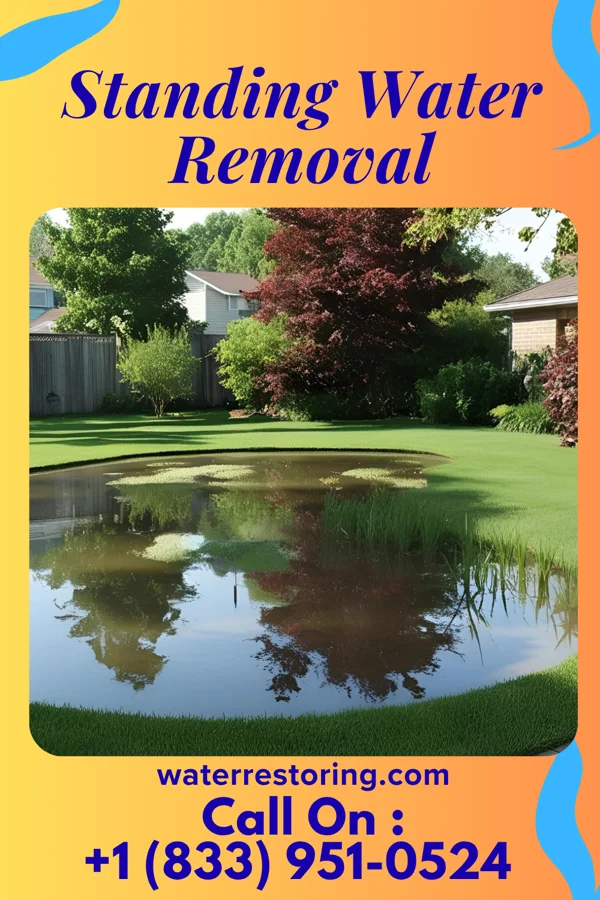
Fountain Lake Standing Water Drivers
Water damage in Fountain Lake tends to cluster in predictable windows because of the local climate. Fountain Lake, Arkansas is prone to flooding due to its location near the Ouachita Mountains and the nearby Hot Springs Village, which can lead to sudden water accumulation in residential areas. Heavy rainfall events and seasonal snowmelt from nearby higher elevations often cause water to spill over into low-lying neighborhoods, creating immediate water damage risks. A close second is In addition to flooding, Fountain Lake residents may face water damage from burst pipes, leaking appliances, and seepage from nearby lakes or rivers. The region's humid climate also increases the risk of condensation and moisture buildup in homes, especially in older or poorly ventilated structures..
Fountain Lake's climate, characterized by high humidity and frequent thunderstorms, contributes to a higher likelihood of water damage. The area's proximity to Hot Springs National Park also means that natural water sources can fluctuate rapidly, increasing the risk of sudden water intrusion.
Fountain Lake's climate, characterized by high humidity and frequent thunderstorms, contributes to a higher likelihood of water damage. The area's proximity to Hot Springs National Park also means that natural water sources can fluctuate rapidly, increasing the risk of sudden water intrusion. The dominant local driver is Fountain Lake, Arkansas is prone to flooding due to its location near the Ouachita Mountains and the nearby Hot Springs Village, which can lead to sudden water accumulation in residential areas. Heavy rainfall events and seasonal snowmelt from nearby higher elevations often cause water to spill over into low-lying neighborhoods, creating immediate water damage risks., with In addition to flooding, Fountain Lake residents may face water damage from burst pipes, leaking appliances, and seepage from nearby lakes or rivers. The region's humid climate also increases the risk of condensation and moisture buildup in homes, especially in older or poorly ventilated structures. showing up as the next most common cause. Damage builds in stages. Spread. Absorption. Microbial growth. Structural compromise. Every stage you pass through adds to the final bill.